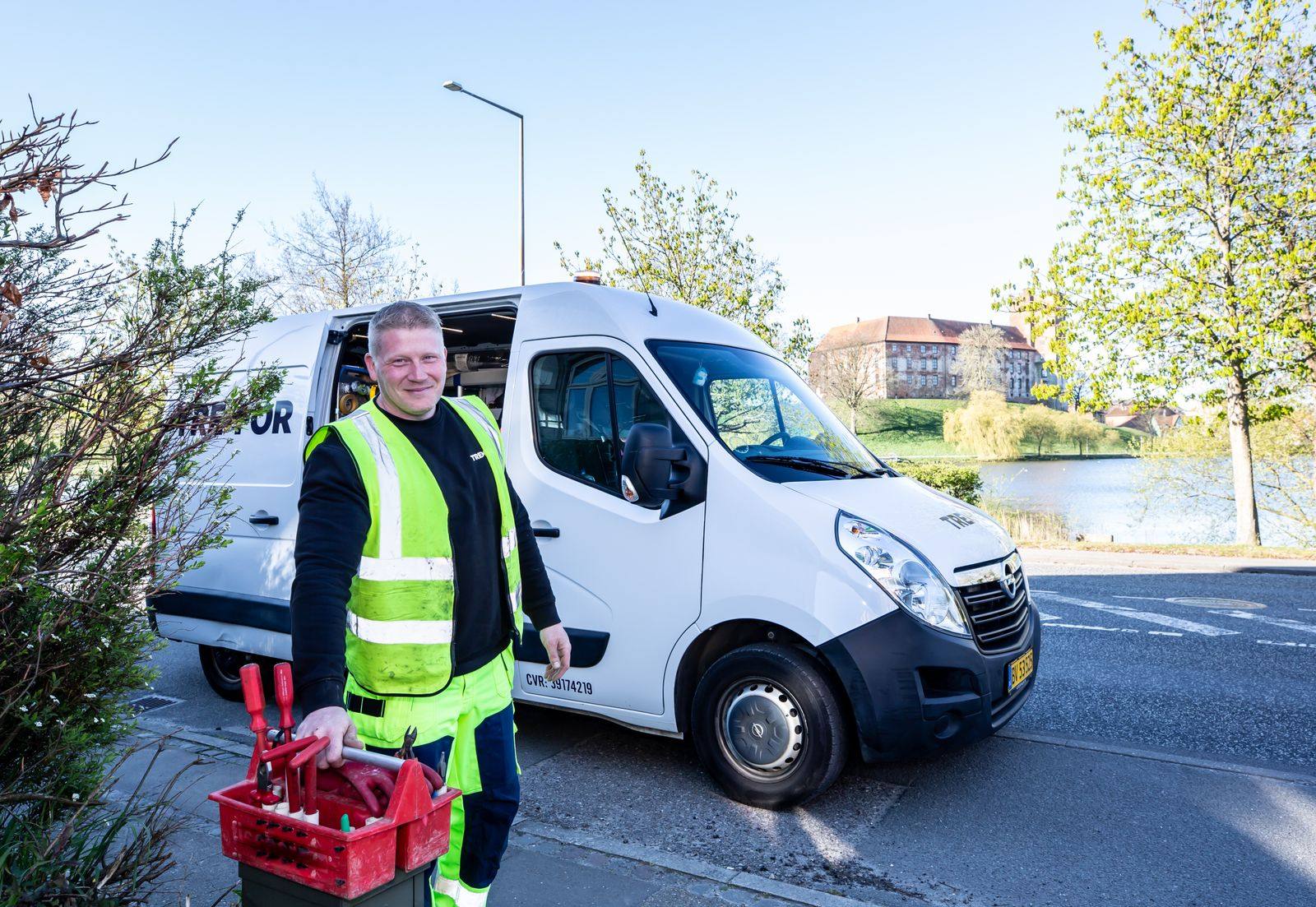
A tankless water heater does not store hot water at all. It waits for a faucet to open, senses the flow, fires a burner or energizes its elements, and heats water as it races through a compact heat exchanger. That on-demand design is efficient and space-saving, but it packs a lot of sensors and controls into one small cabinet, and every one of them has to agree before you get hot water. When one of them objects, the unit shuts down and posts an error code. In Anderson, IN, the usual culprits are mineral scale coating the heat exchanger, a flow sensor that no longer registers demand, an igniter or flame rod that cannot prove the flame, and venting or gas supply problems that trip the unit's safety limits.
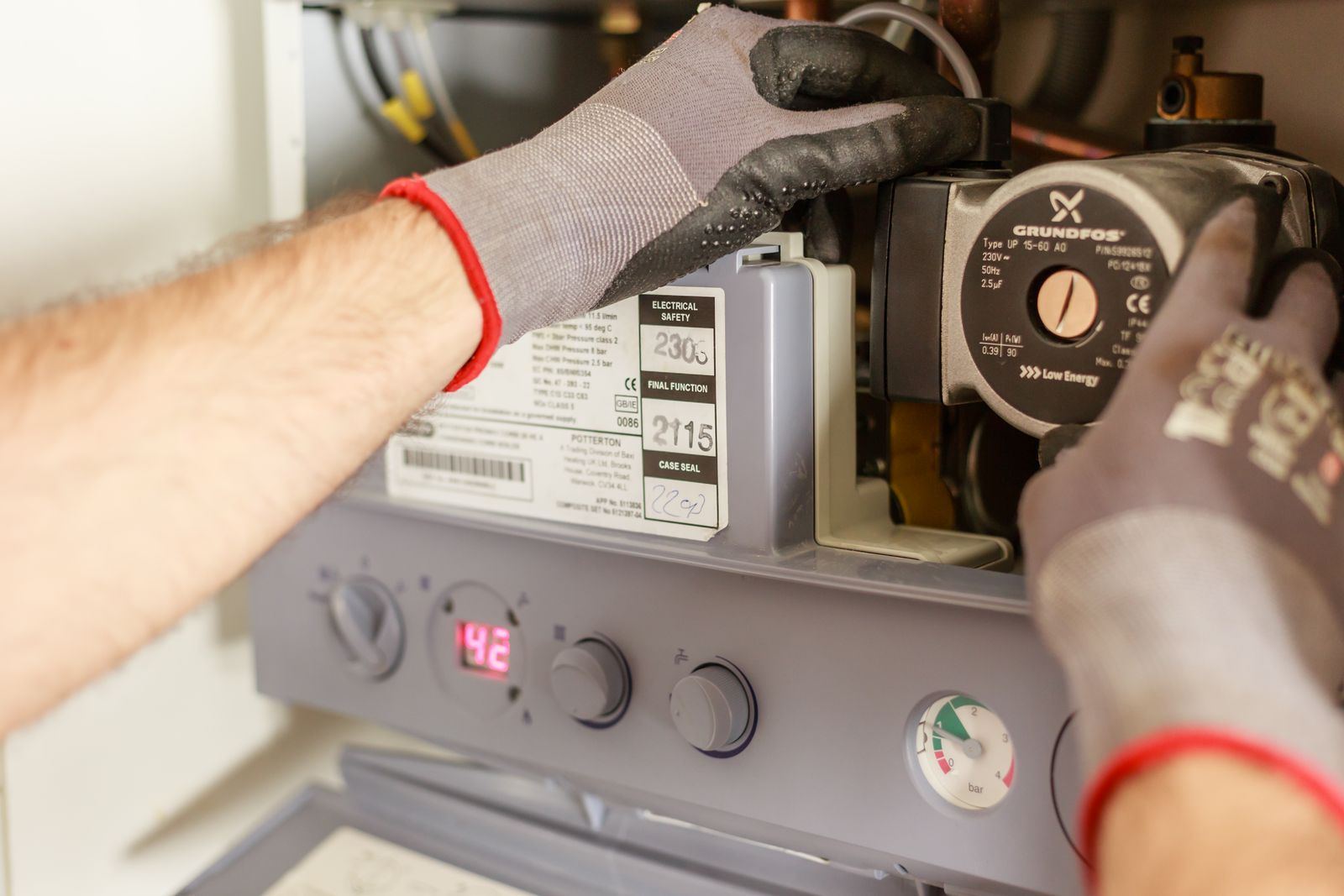
Our approach to tankless repair is simple: measure first, replace second. When we arrive at your Anderson home, we record the active code and the unit's fault history, then work through the systems behind it. Flow sensors are checked with water running to confirm they report demand correctly. Flame rods and igniters are tested electrically. Gas pressure is read at the inlet with the burner at maximum, because a line that holds steady at idle can sag badly under full load. The vent and air intake are inspected end to end, and the heat exchanger is judged by the temperature rise it achieves at a known flow. By the time we recommend a repair, we know it is the right one.
We work on tankless heaters from Rinnai, Navien, Noritz, Rheem, Takagi, and the other major brands, gas-fired and electric alike. The fix depends on the diagnosis: a full descaling flush through the isolation valves when scale is choking the heat exchanger, a new flow sensor when the unit no longer notices a faucet opening, a fresh igniter or cleaned flame rod when ignition keeps failing, or a vent correction when the unit trips on combustion air. Sometimes the answer is bigger. A gas line undersized for the unit's full firing rate has to be upsized, and a heat exchanger cracked by years of scale may make replacement the smarter call on an older unit. Either way, you get the facts before you spend a dollar. Call (765) 202-7601 to schedule tankless repair.
What homeowners call us about most is Water Heater Repair in Anderson. Start there if you're not sure what you need.
Warning Signs to Watch For
Water heaters usually give plenty of warning before they fail, as long as you know what to look and listen for. These are the red flags our technicians see most often before a breakdown:
- Hot water that cannot keep up with more than one fixture
- An error code flashing on the unit's display
- Repeated ignition attempts, then a shutdown
- Longer bursts of cold water between hot draws than you used to get
- Unusual noises from the cabinet, like a whine, a roar, or a rattle
- Moisture, rust, or drips appearing below the heater
- Outlet temperature that surges and sags while water is running
- A heater that only fires when water runs at full blast
Don't Wait for a Total Failure
Tanks rarely fail all at once. They corrode from the inside for months, and the warning signs show up long before the floor gets wet. A quick call to (765) 202-7601 gets a technician out to check it before it becomes an emergency.
Talk to Us About Tankless Water Heater Repair
One call gets a technician scheduled and a clear price before any work starts.
Call (765) 202-7601 NowFrequently Asked Questions About Tankless Water Heater Repair
What a Trained Technician Brings to the Job
There are two reasons tankless repair belongs with a professional: the diagnosis is tricky and the hazards are real. On the diagnostic side, an ignition code might mean a worn igniter, a dirty flame rod, low gas pressure, or a blocked intake, and replacing parts until the code clears adds up fast. On the safety side, a gas unit burns fuel at a very high rate and vents exhaust that contains carbon monoxide, while an electric unit can pull more than 100 amps through multiple 240-volt breakers. Errors with either type can be serious.
What you get from a professional is certainty. Instead of swapping parts, our technicians confirm the fault with a meter, a manometer, and temperature readings, so the fix is aimed at the actual cause. Scale is removed with a pump through the service valves rather than vinegar poured in and left to chance. Gas pressure is checked with the burner at full output, vent runs are inspected against the manufacturer's length and clearance limits, and the unit is tested at low and high flow before we leave. Proper service also helps you stay within the manufacturer's warranty terms, many of which expect qualified service and regular descaling.
What to Expect From Our Team
We work through a clear, repeatable process so you always know what's happening and what it will cost. Here's what you can expect when you choose Anderson Water Heater:
Code & Fault History Review
We pull the active error code and the stored fault history, then test the parts behind it: flow sensor, igniter, flame rod, gas pressure, and venting. That way the repair targets the actual cause, not just the code.
What We Found & What It Costs
We explain the fault in plain language and put a firm quote in front of you first. When a repair no longer makes sense on an aging unit, you hear that from us directly.
Repair & Descaling
Because common parts ride along, the repair rarely waits. Scale is flushed out through the service valves, and worn sensors or ignition parts are swapped during the same visit.
Full Performance Test
We run hot water at several flow rates, confirm the unit lights reliably and holds temperature, and check gas pressure at full fire before we leave.
Repair or Replace? Let's Figure It Out.
Our technicians can assess your water heater and recommend the option that actually makes sense.
Call (765) 202-7601 NowTips to Keep Your Water Heater Healthy
A few preventive steps can help you avoid a cold shower or a wet floor down the road. Follow these tips from our technicians:
- Never cut power to an outdoor or garage unit in winter, because it needs electricity to protect itself from freezing
- Consider a water softener or scale-reduction filter ahead of the heater if scale keeps returning
- Clean the inlet water filter screen a few times a year so the flow sensor gets full flow
- Keep the vent termination and air intake clear of leaves, nests, snow, and lint
- Have the unit descaled at least once a year, or more often if your water is hard
- Get the supply line checked before adding gas appliances, which can starve a tankless unit
- Treat a code that returns after a reset as a symptom worth diagnosing, not ignoring
Should You DIY or Call a Pro?
Some simple checks are fine to do yourself, but most water heater repairs benefit from professional tools, training, and experience. Here's a comparison:
| Factor | Doing It Yourself | Hiring a Pro |
|---|---|---|
| Diagnosis | Swap parts until the code clears | Each suspect part tested with a meter |
| Scale Removal | No pump or isolation valves | Full descale, then a thorough rinse |
| Gas & Venting | Gas pressure and vent joints unchecked | Manometer test at full fire, vent inspected |
| Board & Wiring | Exposed wiring and sensitive electronics | Wiring and connectors tested safely |
| Replacement Parts | Wrong sensor ordered on a guess | Correct part for the exact model |
| Result | Symptom patched, cause remains | Root cause fixed and verified |
Let's Get Your Hot Water Back
Get your hot water back before a small fault turns into a flooded floor. Anderson Water Heater is ready to respond fast.
Get Help: (765) 202-7601Areas We Serve for Tankless Water Heater Repair
Wherever you are in the area, the same experienced team shows up with the same parts and the same pricing. Find your community below.